















Field & Soil Readiness – Start with Risk Reduction
Spring planning always begins with soil. Following a wet winter across many regions, some fields remain close to field capacity, meaning patience will be key before travelling or cultivating. Working soils that are too wet risks compaction, smearing and long-term structural damage that can impact crop establishment and yield potential for several seasons.
Good soil structure, balanced nutrition and effective residue management set the foundation for the entire cropping year. Soil pH in particular remains a critical driver of nutrient use efficiency, especially as crops move into periods where moisture can become limiting later in the spring. Taking time now to assess field suitability, nutrient status and weed pressure helps ensure crops establish evenly and reduces the need for corrective inputs later in the season.
Checklist:
• Assess soil structure, drainage and compaction following winter rainfall.
• Identify fields still at or near field capacity – some areas may need to remain fallow to avoid damage and erosion.
• Avoid cultivations where soils are plastic, wet or prone to smearing – patience now protects soil structure.
• Prioritise fields suitable for early access, while planning later drilling for heavier or slower-drying land.
• Review previous crop residues and cultivation strategy – stale seedbeds, volunteer control and trash management.
• Remember that crop residues can act as a green bridge for pests and disease if not managed effectively.
• Strong soil conditions now help reduce reliance on reactive inputs later in the season.
• Check macro nutrient status, particularly soil pH, which strongly influences nutrient availability.
• Review P, K, Mg and pH levels using soil tests to guide spring nutrient strategy.
• Identify key grass and broad-leaved weed risks by field to support early planning of control strategies.
• Assess soil organic matter and biological activity to support long-term soil resilience.
• Maintain buffer strips and field margins to reduce erosion and nutrient runoff.
Crop Choice, Drilling Strategy, Establishment & Early Resilience
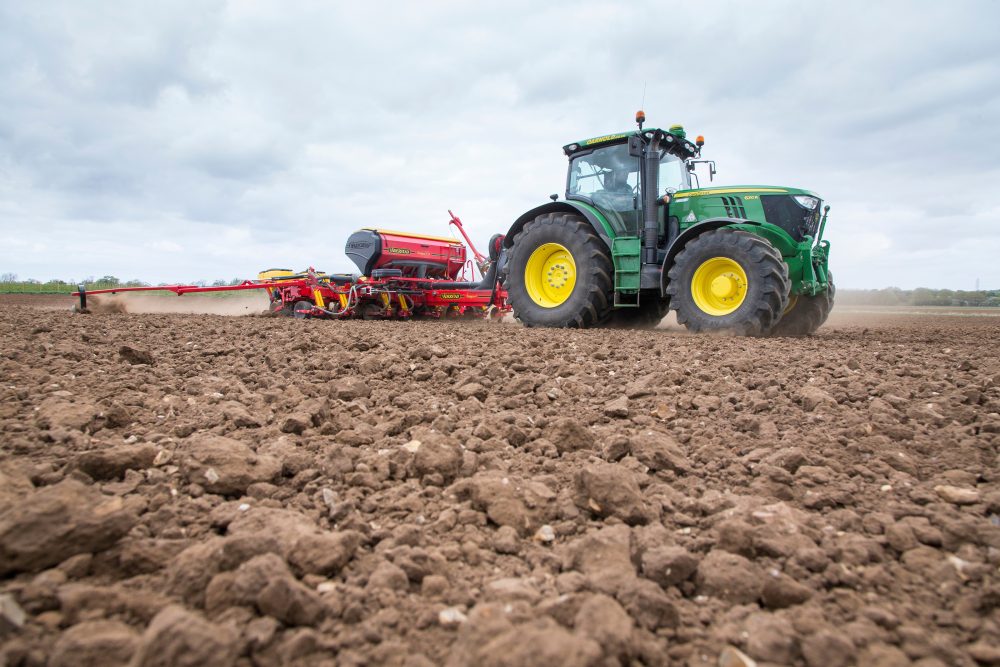
Crop choice and drilling strategy play a major role in managing risk during a challenging spring. With soils still drying and workloads increasing, it is important to match crop selection to field conditions, rotation pressures and weed burdens such as blackgrass. Spring pulses and later-drilled options can sometimes provide valuable flexibility, allowing land more time to dry while also helping manage weed pressure before establishment.
Strong early establishment is also fundamental to effective Integrated Pest Management (IPM). Crops that establish quickly with strong rooting, early tillering and good biomass accumulation are naturally more resilient to pests, disease and environmental stress. Ensuring the right seed rate, good seedbed conditions and supporting early crop vigour with tools such as biostimulants can help crops access nutrition more efficiently and maintain growth even under early-season stress.
Checklist:
• Confirm crop choice by field based on soil type, rotation, workload and known weed pressures.
• Select varieties with strong disease resistance ratings where possible.
• Consider how crop selection supports grass weed & BLW control, especially where ploughing or stale seedbeds were used over winter.
• Factor in rotation and turnaround time when selecting spring crops.
• Assess pest risks, particularly slugs – use traps where appropriate to gauge thresholds before drilling.
• Check seed availability, quality and germination rates before finalising plans.
• Consider pest risks in certain crops (e.g. stem nematodes in spring pulses).
• Spring pulses may offer an opportunity to delay drilling while soils dry, helping reduce weed pressure beforehand.
• Strong early establishment underpins Integrated Pest Management (IPM) and helps crops better tolerate early-season stress.
• Review seed treatment impacts – some fungicide treatments may slow early vigour.
• Consider solutions such as biostimulants (e.g. peptide-based products like Newton) to support early vigour, root establishment and photosynthesis.
• Adjust seed rates based on drilling date, seedbed quality and expected establishment losses.
• Prioritise strong rooting, tillering and early biomass accumulation to give crops the best start.
• Biostimulants such as Bridgeway can support establishment by helping unlock nutrition while crops are under early stress.
• Set realistic drilling windows – avoid forcing crops into poor seedbeds.
• Ensure good soil-to-seed contact; cloddy seedbeds reduce establishment potential.
• Have contingency options if weather windows don’t appear (e.g. SFI options, pulses, fallow or grass leys).
• Aim for even seed placement and depth across the field.
• Ensure drills and equipment are correctly calibrated before starting.
• Consider the market outlook – in difficult seasons spring crop markets can quickly become saturated, so seek advice where needed.
Nutrient Planning – Efficiency First
Efficient nutrient planning starts with understanding what is already available in the soil. Reviewing soil analysis and ensuring pH is within the optimal range is critical, as pH directly influences how effectively crops can access applied nutrients. With many seasons now experiencing dry periods in late spring, maximising nutrient use efficiency early in the season is increasingly important.
Timing is equally crucial. Applying fertiliser when soils are cold or crops are not actively growing can lead to losses through leaching or volatilisation, reducing the benefit to the crop and increasing environmental risk. Matching applications to crop demand, realistic yield potential and soil conditions helps ensure nutrients are used effectively, supporting steady crop growth while avoiding unnecessary inputs later in the season
Checklist:
• Review soil P, K, Mg and pH status using recent soil analysis.
• Soil testing should ideally be completed post-harvest prior to drilling, with nutrient plans adjusted accordingly.
• Soil pH remains a key driver of nutrient use efficiency (NUE) and overall nutrient availability.
• Use recognised guidance such as RB209 or digital tools like Contour (Agrii), Omnia (Hutchinsons) or Gatekeeper to calculate crop nutrient requirements.
• Consider split nitrogen applications to better match crop demand and reduce losses.
• Plan starter nutrition to support early root development and crop establishment.
• Be mindful of fertiliser supply pressures and availability, which may influence product choice this season.
• Align nitrogen strategy with realistic yield potential, considering previous yields and field history.
• Consider the value of Min-N testing to refine nitrogen planning where appropriate.
• Ensure applications remain compliant with closed periods and regulations.
• Avoid applying large amounts of nutrition when soils are cold or crops are inactive.
• Wait for suitable soil temperatures to support mineralisation and nutrient uptake.
• Poorly timed applications increase the risk of leaching, volatilisation and inefficiency.
• Excess early nitrogen can also drive lush growth and increase the need for more robust growth regulator programmes later.
Weed Control Strategy – Build Robustness Early
Early-season weed control plays a major role in protecting crop establishment and reducing pressure later in the season. Identifying weed threats early and implementing strong pre-emergence or early residual programmes helps prevent weeds competing with young crops for moisture, nutrients and light. This is particularly important in seasons where crops may already be under stress from challenging establishment conditions.
With many fields still close to field capacity following winter rainfall, extra caution is also needed around product choice and application timing. Poorly timed applications can increase the risk of herbicide movement into watercourses, especially where soils are wet, compacted or drains are running. A robust early strategy, combined with careful stewardship and varied modes of action, helps protect both crop performance and the longevity of available chemistry
Checklist:
• Monitor crops regularly to assess emerging weed, pest and disease pressure.
• Identify key grass and broad-leaved weeds early and plan timely control measures.
• Integrate cultural controls such as stale seedbeds, delayed drilling and crop competition.
• Prioritise effective pre-emergence or early residual herbicide programmes where possible.
• Map problem weed patches to allow targeted control strategies.
• Use supporting adjuvants, such as Backrow Max, to help retain residual herbicides in the top 5 cm of soil.
• Retaining herbicide in the surface layer helps reduce leaching risk in wet conditions and improves activity during drier periods.
• Aim to reduce reliance on post-emergence herbicides where resistance pressure may be higher.
• Use different modes of action within programmes to support resistance management.
• Early weed control strengthens Integrated Pest Management (IPM) strategies.
• Take particular care with products carrying Water Protection Advisory Scheme (WPAS) guidance.
• Consider field conditions, water table levels, soil structure and travelability before spraying.
• Be mindful of weather conditions, rainfall forecasts and rainfastness when planning applications.
Spray Application & Adjuvancy Planning
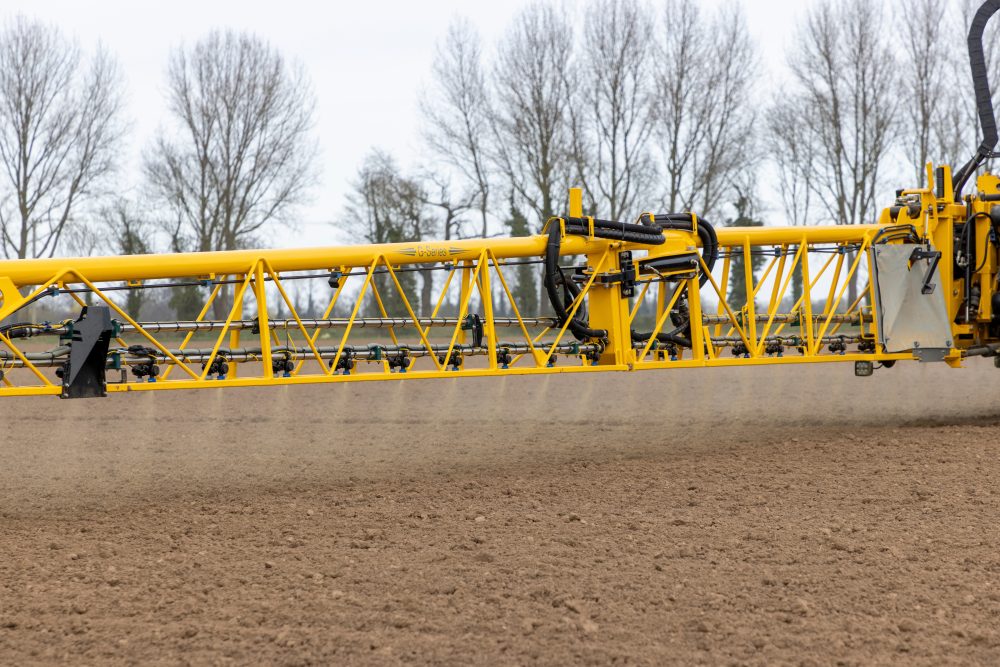
Effective spray application begins long before the sprayer enters the field. Ensuring equipment is correctly calibrated, nozzles are suitable for the job and water quality is properly managed can make a significant difference to product performance. Factors such as water hardness and pH can reduce the effectiveness of certain actives, making the use of buffering or conditioning adjuvants an important consideration.
Early-season applications often involve complex tank mixes, particularly where growers are targeting weeds, pests and early disease simultaneously. Using the right adjuvants can improve spray stability, enhance coverage and support active ingredient uptake, helping maximise efficacy while reducing the risk of drift or off-target movement. As with all spray operations, careful attention to field conditions, label guidance and weather patterns ensures applications remain both effective and responsible.
Checklist:
• Check sprayer condition, nozzle choice and calibration before the season begins.
• Ensure the sprayer meets NTSC testing standards and NRoSO compliance – your sprayer should be fit for purpose and fully compliant.
• Ensure operators hold valid PA1/PA2 certification where required.
• Use appropriate PPE and safe chemical handling procedures.
• Maintain accurate spray records and application logs.
• Assess water quality, including hardness and temperature, before mixing products.
• Consider water pH, as this can significantly influence product stability and efficacy.
• Use pH buffering adjuvants, such as Assist, to help manage water hardness and improve spray performance.
• Anticipate complex early-season tank mixes, particularly where multiple products are applied together.
• Adjuvants such as Kantor can support tank mix compatibility, pH buffering and improved uptake of active ingredients.
• Use adjuvants appropriately to improve spray stability, coverage and consistency across the target area.
• Products such as Crusade, Kantor and Spur can support improved spray performance depending on the application.
• Good adjuvancy also helps reduce spray drift and off-target movement.
• Always consider ground conditions, label restrictions and weather limitations before spraying.
• Pay attention to soil saturation, travelability, compaction risk and rainfastness requirements when planning applications.
Early Crop Monitoring & Decision Points
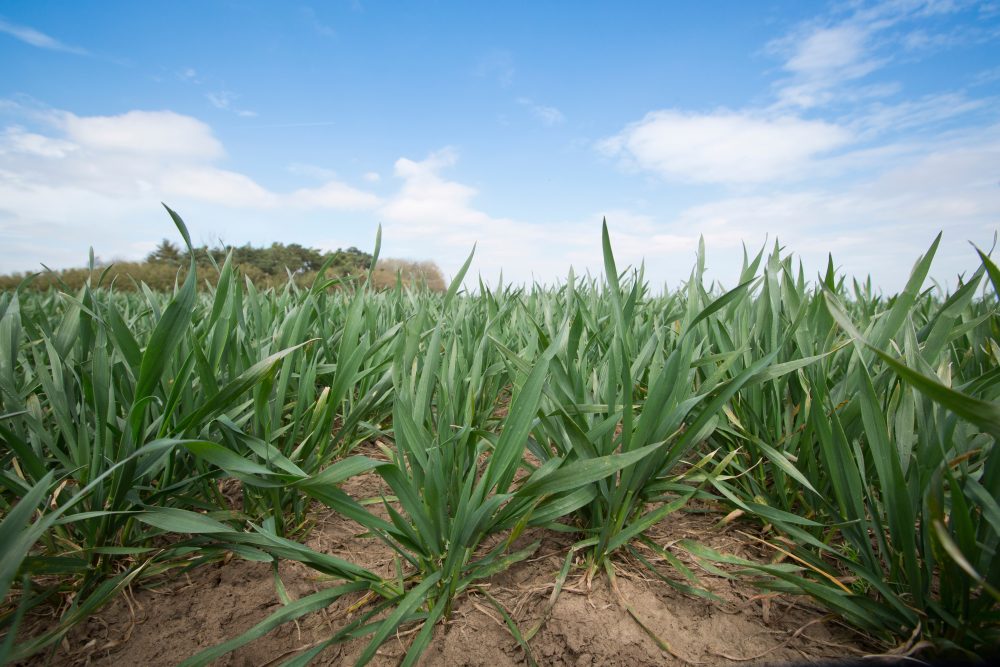
Early crop monitoring is essential for making informed agronomic decisions as the season develops. Regular field walking allows growers and agronomists to assess establishment success, identify uneven areas and understand how crops are progressing through key growth stages. These observations are critical for ensuring that inputs such as herbicides, fungicides and growth regulators are applied at the most effective timing.
It also allows potential issues to be identified early. Monitoring weed control performance, residual longevity and early disease pressure ensures that corrective action can be taken before problems escalate. By adjusting plans early rather than reacting late, growers can protect crop potential, maintain efficient input use and support a more resilient crop throughout the season.
Checklist:
• Walk crops regularly from emergence onwards.
• Check crop establishment, plant counts and uniformity across the field.
• Monitor growth stages closely to ensure optimum timing of spray applications.
• Use economic thresholds and agronomic advice before making interventions.
• Assess weed control performance and residual herbicide longevity.
• Identify areas where top-up or follow-up applications may be required.
• Track crop growth and development to help accurately time growth regulator applications.
• Watch for early disease pressure and signs of crop stress.
• Note any environmental or nutritional stress symptoms early.
• Adapt agronomy plans early where required rather than reacting later in the season.
IPM & Stewardship Check
Integrated Pest Management (IPM) focuses on combining cultural, biological and chemical approaches to manage crop threats effectively and responsibly. By prioritising good agronomy, crop rotation and careful monitoring, chemical inputs can be used more strategically and only when genuinely required.
Well-planned spring cropping reduces risk, improves input efficiency and supports long-term sustainability. Adjuvants also play an important role in this approach, helping spray applications perform as intended by improving coverage, stability and uptake. When used correctly, this ensures each input delivers maximum value while supporting responsible, IPM-led agronomy.
Checklist:
• Use cultural and agronomic controls as the foundation of crop protection.
• Encourage beneficial insects and biodiversity through habitat and margin management.
• Integrate crop rotation, drilling strategy and variety choice to reduce pest, weed and disease pressure.
• Monitor crops and only intervene chemically where thresholds justify action.
• Protect non-target areas, including field margins, hedgerows and watercourses.
• Follow product labels, stewardship guidance and buffer zone requirements.
• Consider spray timing, weather conditions and drift risk to ensure responsible application.
• Aim to carry out fewer operations, but ensure they are done well and at the correct timing.
• Use adjuvants appropriately to help maximise efficacy and consistency from each spray application.